
 Mongolia is at the ecological crossroads of Asia, where the great Siberian coniferous taiga forests meet the vast Asian high – altitude grasslands (steppes) and the forbidding, arid expanse of the Great Gobi Desert. A mountainous country, Mongolia’s average elevation is 1580m above sea level. In the west, imposing mountain ranges dominate the landscape; the Mongolian Altai and Gobi Altai ranges extend across nearly two – thirds of the nation’s breadth. The high mountain zone is home to two endangered species: the argali or mountain sheep (Ovis ammon) – the largest wild sheep in the world, with great long spiral horns – and the elusive snow leopard (Uncia uncia). Other high elevation mammals include
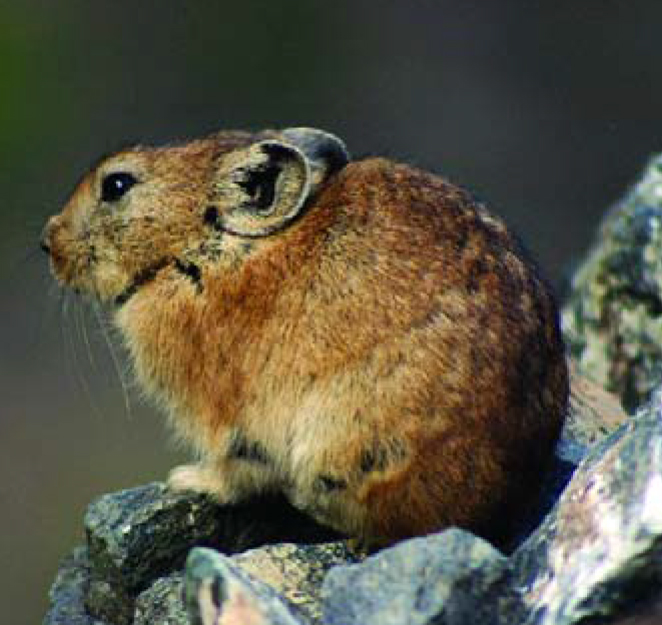
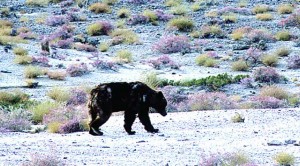
Siberian ibex (Capra sibirica), and pika (Ochotona hyperborea). In northern Mongolia, a small number of families still herd reindeer in the traditional manner reminiscent of the Lapps of northern Europe. Forest predators include the grey wolf (Canis lupus), brown bear (Ursus arctos), wolverine (Gulo gulo), and Eurasian lynx (Lynx lynx). To the east, where rainfall is lower, the steppe is largely uninhabited and undeveloped, and this is the home
of hundreds of thousands of Mongolian antelope (also known as Mongolian gazelle or zeer) Procapra gutterosa. The mammals of the desert steppes include the black – tailed or goitered gazelle (Gazella subgutterosa) and the last large herds of the globally – threatened Asiatic wild ass or khulan (Equus hemionus khulan).
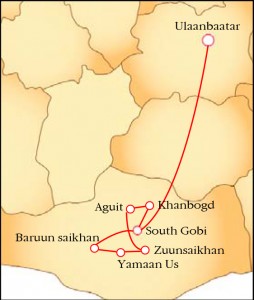
 Day 1: Ulaanbaatar
Upon your arrival at the Buyant-Ukhaa International Airport in Mongolia, you will meet the Mongolei Reisen crew and transfer to the 4 star hotel, conveniently situated in downtown Ulaanbaatar. After freshening up from your trip, we will spend the day with a walking tour of some of the capital’s most noteworthy sites starting out at the Museum of National History where you’ll encounter exhibits highlighting the amazing history of the Mongolian people. The museum has several interested exhibits of national costumes and some artifacts from time of Chinggis Khaan. From the museum, it’s a short walk to the heart of Ulaanbaatar, Sukhbaatar Square. Here we will see the statue of Sukhbaatar, the hero of the Mongolian revolution, the Parliament house, National Opera, and City Hall. Afterwards we’ll visit Zaisan Hill, which offers great views of the city. In the evening, you will attend a performance of traditional dancing and singing. Mongolia is best known for the traditional form of throat singing, khoomii, and the horse-headed fiddle that accompanies many traditional songs. Overnight in hotel (L, D)
Day 2: South Gobi
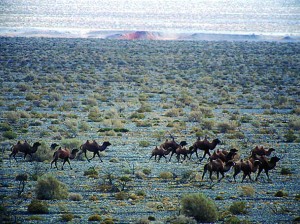
We’ll start our trip with an early-morning flight to the South Gobi Desert, a dramatic landscape of mountains, rock and sand, dotted with grazing camels and herders’ gers. Overnight in ger camp (B, L, D)
 Day 3: Khangbogd Mountain
We’ll set up our camp next to Khanbogd Mountain, an area rich in endangered wildlife species. During the day we’ll spend our time exploring the area and looking for some of the animals there such as the majestic ibex, argali sheep, jerboas and hedgehogs. Overnight in tents (B, L, D)
Days 4 – 6: Aguit Mountain
We’ll keep moving through the town of Nomgon towards the Aguit Mountains. Here we’ll have two days to explore the vast 18-thousand square kilometer Baga Gobi Strictly Protected Area, looking for black-tailed gazelles and wild asses. The area itself is beautiful and the habitat of the rare lynx. Overnight in tents (B, L, D)
Days 7 – 8: Khurkh Mountain
Another likely place to encounter some wild animals is the Khurkh Mountain area, which has several springs to attract mountain sheep and goats, wild asses, black-tailed gazelles and steppe cats. We’ll get to see some of the animals which have been captured for research purposes, giving a rare close-up view of beech martens, Asiatic steppe cats and other endemic wildlife. If were lucky, we might even see the rare Siberian and Five-toed dwarf jerboa. Overnight in tents (B, L, D)
Day 9: Zuun Saikhan Mountain
We continue toward Zuun Saikhan Mountain, one of the specially-protected mountains known as the “Three Beauties of the Gobi”, traveling through Dungenee Pass – a beautiful rock canyon where groups of black vultures and lammergeyers, among the rarest birds in the world, nest together. We’ll have a good chance to see wild asses along the way. Overnight in tents (B, L, D)
Day 10: Vulture’s Gorge
W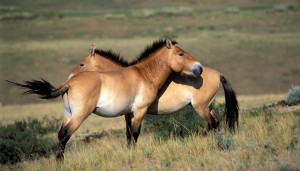 e spend the day touring the magnificent Gobi Gurvan Saikhan national park where we’ll visit the remarkable “Vulture’s Gorge” within the Gobi Gurvan Saikhan National Park, an exotic setting of green meadows and dense glaciers situated deep within the arid Gobi. At times, the caverns fill with several meters of ice, forming a stark contrast to the desert surrounding it. If were lucky, we might see some of this area’s abundant wildlife, including the rare argali sheep and mountain goat. We’ll also visit the small local nature museum for a complete overview of Gobi flora and fauna. Overnight in tents (B, L, D)
Day 11: Yamaan Us – Dund Saikhan Mountain
After an early-morning hike to look for rare mountain sheep and goats, we’ll head to the Yamaan Us site with its excellent possibility to see some wild animal species. There is an excellent view from the top of the sacred mountain known as Erdenetsogt Ovoo. Overnight in tents (B, L, D)
 Day 12: Baruun Saikhan Mountain
Next up is the Gegeet Valley, an area populated with great views of argali sheep, ibex and other wildlife from Baruun Saikhan Mountain. The animals make regular trips to this area to rest and drink in its cool waters. The area is also home to the highly elusive Gobi snow leopard. Overnight in tents (B, L, D)
Day 13: Gobi Desert
We drive back to the ger camp, taking the last opportunity to look for some of the Gobi species. Upon returning to camp, we’ll have some free time for resting or meeting local families to learn about Mongolia’s traditional herder lifestyle. Overnight in ger camp (B, L, D)
Day 14: Ulaanbaatar
The journey concludes in Ulaanbaatar, with the remainder of the day free for rest or shopping. After dinner, we’ll attend a performance of an ensemble performance of Mongolian folk art. Overnight in hotel (B, L, D)
Day 15: Departure
Our adventure together ends with your transfer back to the Buyant-Ukhaa International Airport for your departure